
“Every presentation is an opportunity to spark ideas, start conversations, and make a meaningful connection.”
Rebecca Sash
AAAA Director
Arrowhead Area Agency on Aging provides education and presentations to older adults, service providers, caregivers, community organizations, and employers. These are conducted by our Community Development team, and are available in-person or virtually, at no cost. Presentations that are currently being offered can be found on our AAAA webinar web page.
For more information or to schedule a presentation, please read the descriptions below and complete the presentation forms. We may not be able to honor all requests.
The presentation will be led by our ElderCare Program Development specialists. To learn more about these specialists, please refer to our EDP staff page.
Aging, Caregiving & Advocacy
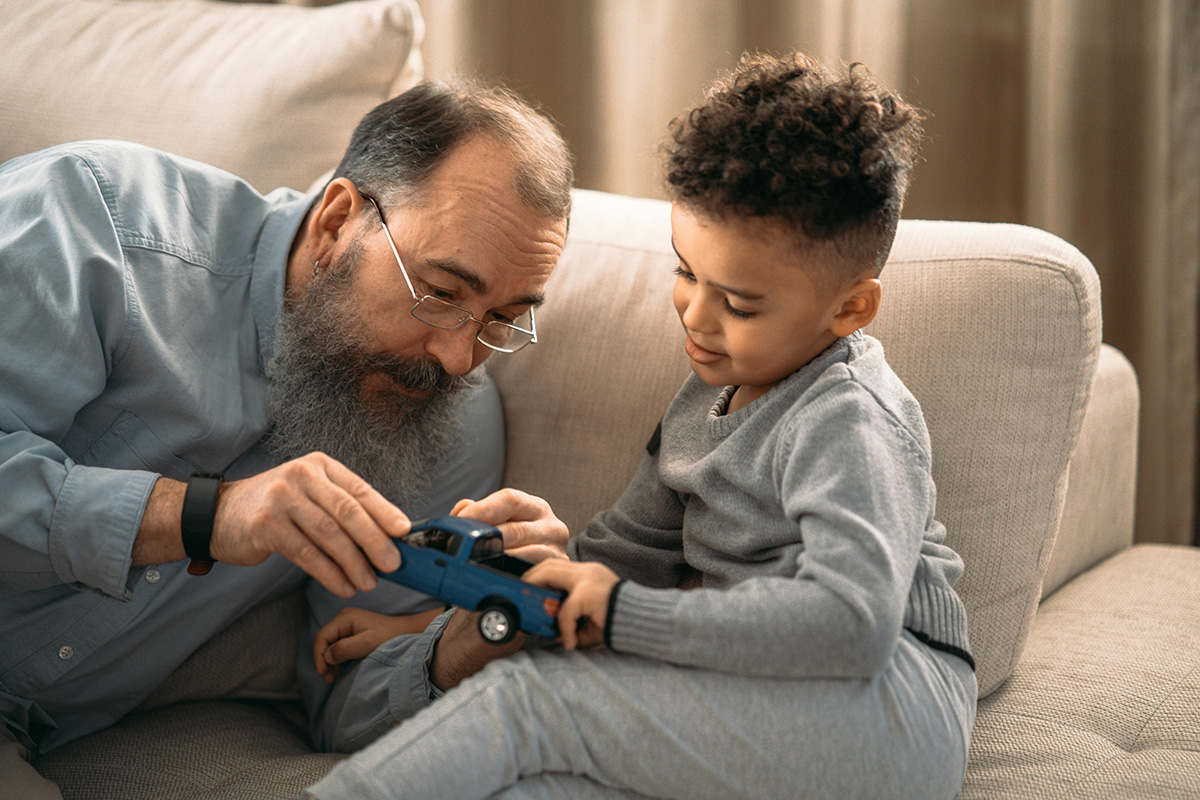
These presentations will start conversations on key topics in aging, caregiving, and advocacy, including ageism, caregiving support, elder justice, solo aging, advance planning, and safe driving. Attendees will gain practical tools, fresh perspectives, and resources to support older adults, caregivers, families, and age-inclusive communities.
For more information about individual presentations, see descriptions to the right.
Caregiving in the Workforce Presentation
This presentation helps employers understand the growing impact of caregiving in the workforce and how supportive workplace practices benefit employees and organizations alike. Attendees will learn about caregiver challenges, workplace solutions, communication strategies, and resources that improve retention, productivity, well-being, and overall employee support.
Presentation by Gina Urbick.
General Caregiving Presentation
This presentation provides an overview of compassionate caregiving for older adults, including communication, safety, daily support, and promoting independence and dignity. Participants will explore practical caregiving strategies, common aging-related challenges, and approaches to enhancing quality of life for older adults in home, community, and healthcare settings.
Presentation by Gina Urbick.
Solo Agers Presentation
This presentation explores solo aging and the unique opportunities and challenges faced by older adults aging without traditional family support. Topics include planning for healthcare, finances, housing, social connection, decision-making, and community resources, while emphasizing independence, proactive preparation, and strategies for maintaining well-being and quality of life.
Presentation by Jess Langer.
Elder Abuse and Exploitation Presentation
This presentation examines elder abuse and exploitation, including physical, emotional, financial, and neglect-related harm affecting older adults. Participants will learn to recognize warning signs, understand risk factors, explore prevention strategies, and identify reporting resources and community supports that help protect the safety, dignity, and well-being of older adults.
Presentation by Brenda shafer-Pellinen.
Advanced Planning Presentation
This presentation provides an overview of advance planning for older adults, including healthcare directives, financial preparation, legal considerations, and end-of-life preferences. Participants will learn the importance of proactive decision-making, communicating wishes with loved ones, and organizing essential documents to support future independence, care, and peace of mind.
Presentation by Brenda Shafter-Pellinen.
Aging with Gusto Presentation
This presentation celebrates aging with confidence, purpose, and vitality by exploring strategies for healthy living, social connection, lifelong learning, and emotional well-being. Participants will discover practical ways to embrace positive aging, maintain independence, build resilience, and continue finding meaning, joy, and fulfillment throughout later life.
Presentation by Brenda Shafer-Pellinen and Jess Langer.
Advocacy Presentation
This presentation explores advocacy for older adults and their caregivers, focusing on protecting rights, accessing services, navigating healthcare and community systems, and promoting dignity and independence. Participants will learn effective communication strategies, available resources, and ways to support informed decision-making and improve quality of life for aging individuals.
Presentation by Jess Langer.
Aging and Safe Driving Presentation
This presentation explores aging and safe driving by addressing age-related changes that can affect driving abilities, strategies for maintaining safety and independence, and available community resources. Participants will learn how to recognize warning signs, support informed driving decisions, and promote mobility, confidence, and well-being among older adults.
Presented by Jess Langer.
Age-Friendly Communities Presentation
This presentation explores age-friendly communities and Minnesota’s statewide Age-Friendly Minnesota initiative, highlighting efforts to create inclusive, accessible environments that support healthy aging. Participants will examine how housing, transportation, social engagement, healthcare access, and community design influence independence, safety, and quality of life. The presentation will also highlight strategies communities can use to promote meaningful participation, belonging, and opportunity for older adults of all abilities.
Presentation by Lori Kangas Olson.
Age-Friendly Businesses Presentation
This presentation explores the value of age-friendly businesses and their role in advancing the goals of the Age-Friendly Minnesota initiative. Participants will learn how inclusive business practices can better serve older adults, caregivers, and customers of all ages through improved accessibility, customer service, communication, and community engagement. The presentation will also highlight practical strategies for creating welcoming environments that support independence, dignity, respect, and positive customer experiences.
Presentation by Lori Kangas Olson.
Age-Friendly Blueprint Presentation
This presentation introduces the Age-Friendly Blueprint and its role in advancing the goals of the Age-Friendly Minnesota initiative by guiding communities and organizations toward more inclusive, supportive environments for older adults. Participants will explore practical strategies related to accessibility, housing, transportation, health and community services, social engagement, and cross-sector collaboration. The presentation will highlight how the Blueprint can support local planning and action while promoting independence, equity, safety, belonging, and quality of life for people of all ages and abilities.
Presentation by Lori Kangas Olson.
Ageism 101 Presentation
This presentation introduces ageism and ableism, including how these forms of bias can intersect and affect older adults, people with disabilities, and caregivers. Participants will explore how assumptions about age and ability influence access to housing, transportation, healthcare, employment, communication, social connection, and community participation. The presentation will also highlight practical strategies for recognizing and challenging bias while creating more inclusive, accessible environments that support dignity, independence, equity, and quality of life for people of all ages and abilities.
Presentation by Lori Kangas Olson.
Ageism for Faith-based Communities Presentation
This presentation explores ageism within faith-based communities and across the wider communities they serve. Participants will examine common stereotypes and assumptions about aging, consider how ageism can affect participation, leadership, care, and belonging, and learn practical strategies for challenging discrimination. The presentation will also highlight ways faith communities can foster inclusion, respect, intergenerational connection, purpose, dignity, and compassionate support for older adults both within their congregations and throughout their communities.
Presentation by Lori Kangas Olson.
Ageism for Healthcare Presentation
This presentation examines ageism in healthcare and its impact on the quality of care, communication, and health outcomes for older adults. Participants will explore common biases and stereotypes, learn strategies for providing respectful, person-centered care, and promote equity, dignity, and improved healthcare experiences for aging populations.
Presentation by Brenda Shafer-Pellinen.
Reframing Aging Presentation
This presentation introduces the national movement to reframe aging, led by the National Center to Reframe Aging, and explores how its evidence-based communication strategies are being advanced through Reframing Aging Minnesota and Age-Friendly Minnesota. Participants will examine how language, attitudes, media, and cultural narratives shape perceptions of aging and influence policies, programs, and everyday interactions. The presentation will provide practical strategies for challenging outdated stereotypes, reducing ageism, and communicating a more complete and accurate story about the strengths, contributions, experiences, and diversity of older adults.
Presentation by Lori Kangas Olson.
Age-Friendly Initiatives
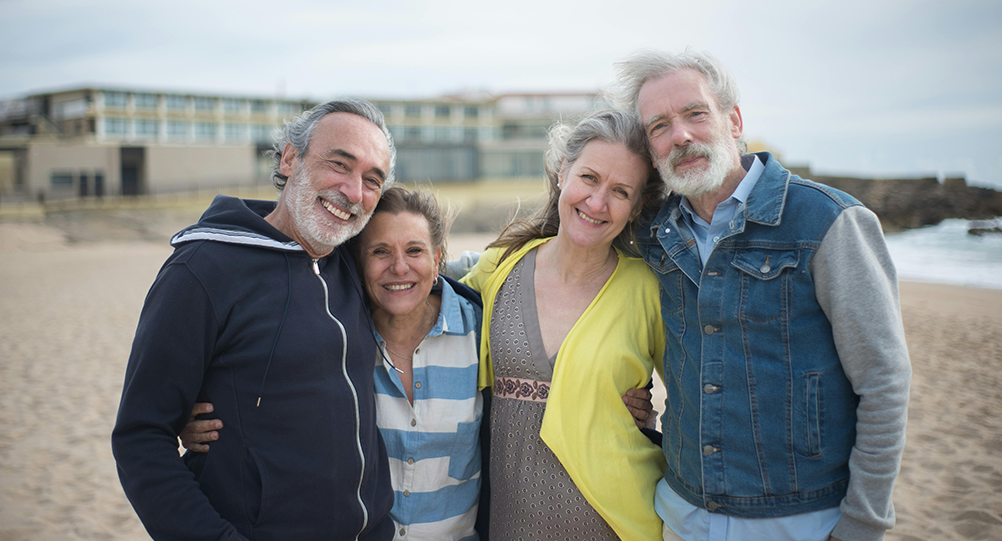
Age-friendly initiatives support inclusion, accessibility, and connection for people of all ages. Attendees will explore practical strategies, successful community efforts, and innovative approaches aimed at sparking ideas to make our communities more inclusive, welcoming, supportive, and livable for everyone throughout their lifespan.
For more information about individual presentations, see descriptions to the left.
Dementia Awareness & Support

Explore dementia awareness and support through education, practical caregiving strategies, and compassionate communication techniques. Participants will learn how to foster meaningful connections, recognize changes associated with dementia, support individuals and caregivers, reduce stigma, and promote dignity, understanding, safety, and quality of life throughout the dementia journey.
For more information about individual presentations, see descriptions to the right.
Dementia Friends Presentation
This presentation introduces Dementia Friends concepts by increasing awareness and understanding of dementia and its impact on individuals, families, and communities. Participants will learn practical ways to support people living with dementia, foster meaningful connections, reduce stigma, and help create more inclusive, compassionate, and dementia-friendly environments for everyone.
Presentation by Lori Kangas Olson.
Dementia Champions Presentation
This presentation prepares participants to become Dementia Champions by building knowledge, leadership, and advocacy skills that support dementia awareness and inclusion. Participants will learn strategies to foster meaningful connections, educate others, reduce stigma, and promote compassionate, dementia-friendly practices within organizations, workplaces, and communities.
Presentation by Lori Kangas Olson.
Dementia Friendly Healthcare Presentation
This presentation explores dementia-friendly healthcare practices that improve communication, understanding, and care experiences for individuals living with dementia. Participants will learn strategies to foster meaningful connections, reduce stigma, support caregivers, and create compassionate, person-centered healthcare environments that promote dignity, safety, comfort, and quality of life.
Presentation by Brenda Shafer-Pellinen.
Dementia Education for EMS Presentation
This presentation provides EMS professionals with practical dementia education focused on recognizing symptoms, improving communication, and responding compassionately during emergencies. Participants will learn strategies to foster meaningful connections, reduce distress, support caregivers, and deliver safe, person-centered care that promotes dignity, safety, and positive outcomes for older adults.
Presentation by Lori Kangas Olson.